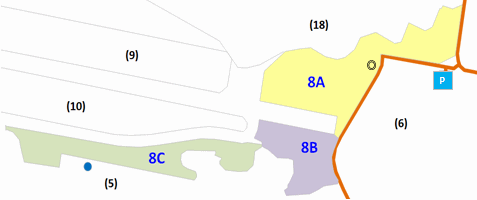
Compartment 8 lies at the eastern end of the old runway, adjoining Old Thornford Road. It comprises 3 subcompartments with a total area of 25.4 ha. There is a broad mixture of habitats - neutral and acid grassland, lowland heath, scrub, secondary woodland and areas of bare gravel. The whole compartment is available for grazing by cattle and Exmoor ponies. Subcompartment 8A contains a former POL (petroleum, oil, & lubricants) station, one of the common's more prominent military relics.
General description and evaluation of ecology
This compartment holds considerable interest - variations in soil, the influence of topography, hydrology and disturbance have all had a part to play. Neutral and acid grassland, scrub, lichen heath, dry heath, gorse, secondary woodland and bare gravels are all present. The neutral grassland ranges from short species-rich turf, commonly with cowslips, to damp lush areas with rushes and sedges. There are patches of acid grassland. Bare gravel areas indicate former sites of buildings and are being colonised by pioneer plant communities and in wetter areas by rushes and scrub. The dry heath component is reasonably typical of the common in general, but areas of lichen heath are fairly extensive. There are some reasonable-sized areas of gorse, much of it even-aged.
Species known to use the heath include woodlark, nightingale, European nightjar and adder. Other BAP species present include fine-leaved sandwort and annual knawel. Invertebrates recorded here include dark bush-cricket and long-winged conehead, speckled bush-cricket, meadow grasshopper and field grasshopper. The gravel areas and base-rich parts of the compartment are of particular importance for bryophytes (mosses and liverworts) and lichens.
BAP habitats
- Lowland heath (8A, 8B)
- Lowland dry acid grassland (8A)
- Open mosaic habitats on previously developed land (8A, 8B, 8C)
Higher Level Stewardship
Options exist for Sub compartments 8A, 8B and 8C
Overall management objectives
Link discrete patches of heather. Diversify the structure of gorse and maximise the length of the interface between heath and gorse (and other scrub) to benefit invertebrates and birds in particular. Maintain the extent of grassland and encourage its diversity. Sustain pioneer communities on bare gravels. Maintain scrub at its current (2013) extent and where necessary diversify stands. Retain the woodland and scrub screen along Old Thornford Road, Crookham Hill and Thornford Park.
Subcompartment 8A (12.0 ha)
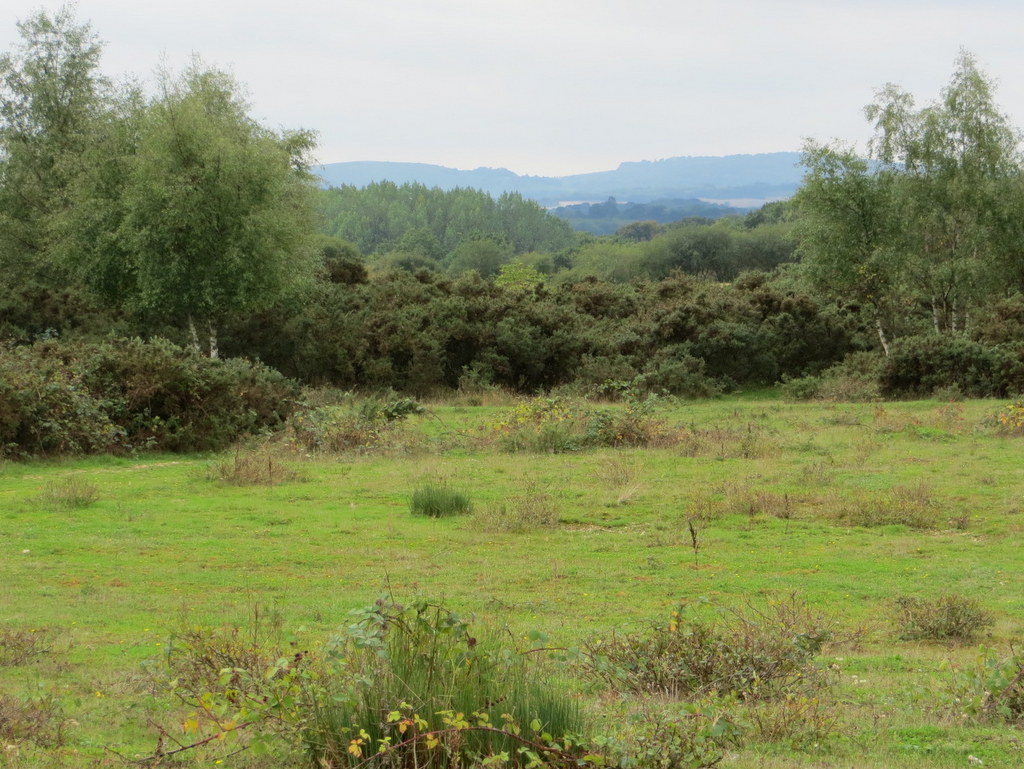
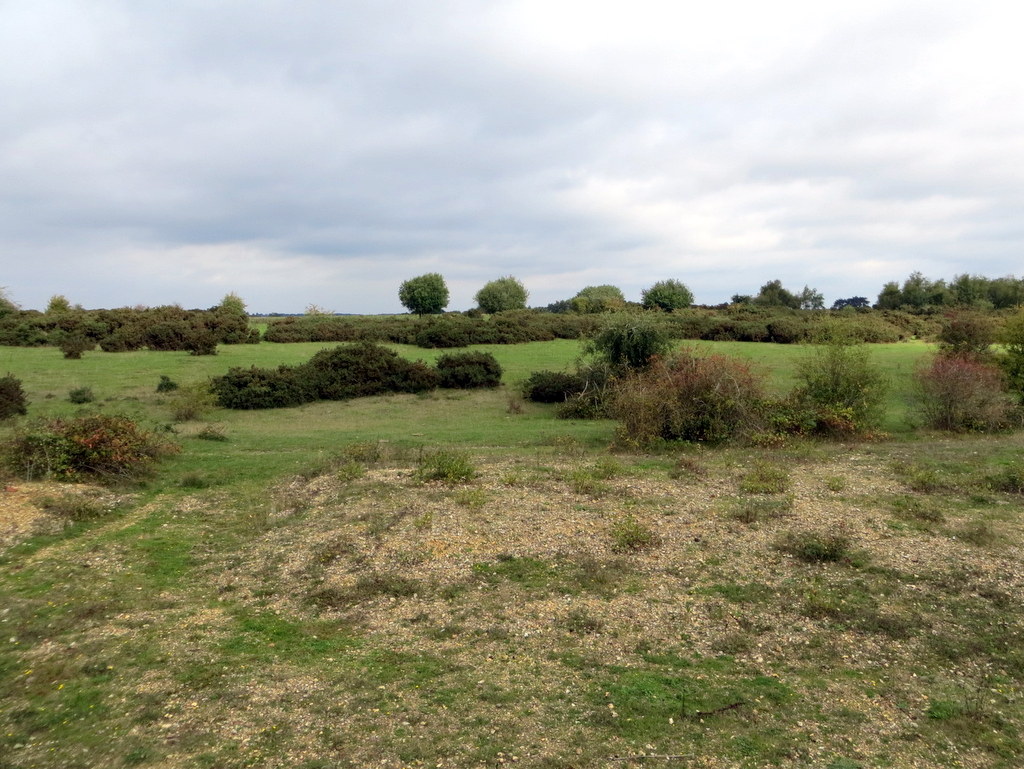
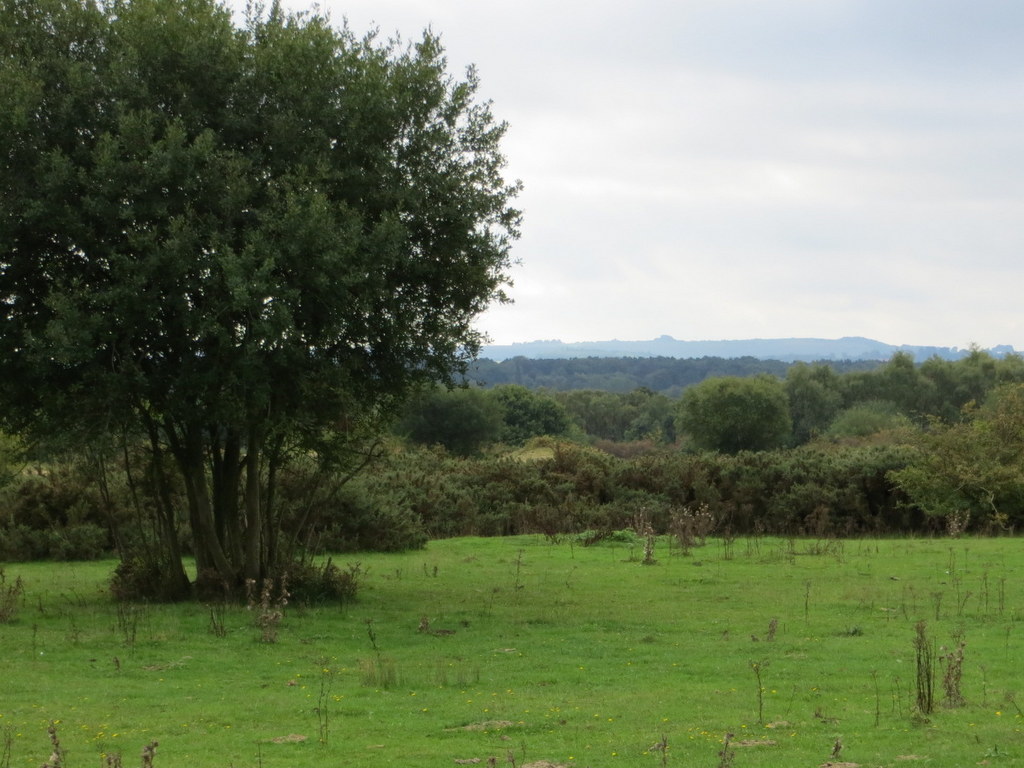
A largely flat area with varied soils supporting neutral grassland, acid grassland, heather, lichen heath, gorse scrub, areas of bare gravel and a small block of willow, birch and hawthorn woodland. Linnets nest in the gorse.
| Objective | Area | Method | Comment |
|---|---|---|---|
8A.1) Create and maintain a diverse gorse structure.HLS objective |
Small patches of gorse throughout subcompartment. | Coppice sections of dense gorse on a rotation. Cut and remove using hand tools, chainsaw or cut and collect mower. Allow to regenerate (do not treat stumps). | Refer to Gorse Management Plan (WBC 2012). |
| 8A.2) Retain woodland and scrub screen inside fenceline. | Adjacent to Thornford Park, Crookham Hill and Old Thornford Road. | Clear a narrow stretch (c. 1.5 m) of vegetation just inside the fenceline for access where necessary, biennially. Otherwise no intervention. | Along Old Thornford Road, consider clearing road side, rather than common side, of fence to deter fly tipping. |
| 8A.3) Create a heathland link/corridor with compartment 6. | Adjacent to Old Thornford Road | Clear a wide ride (c. 20 m) from existing heathland areas through gorse and scrub up to fenceline to serve as a link with newly restored heath in compartment 6. Treat cut stumps. | |
| 8A.4) Control ragwort if necessary. | Throughout subcompartment | Spot-spray rosettes with herbicide in spring as required. |
Subcompartment 8B (4.9 ha)
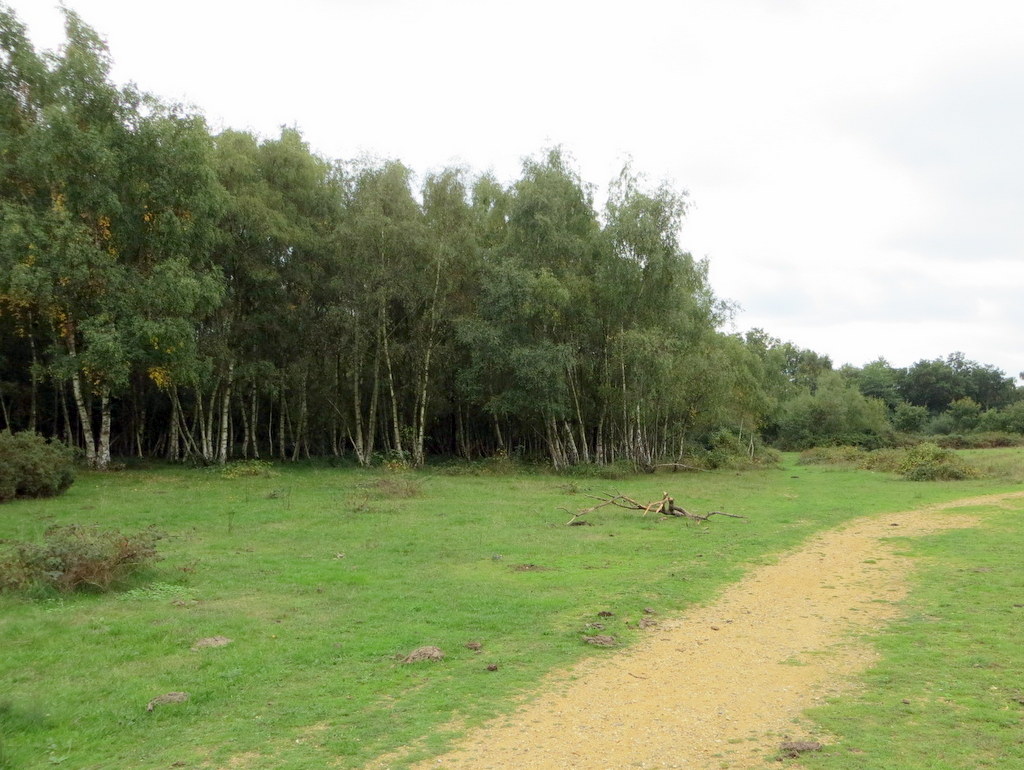
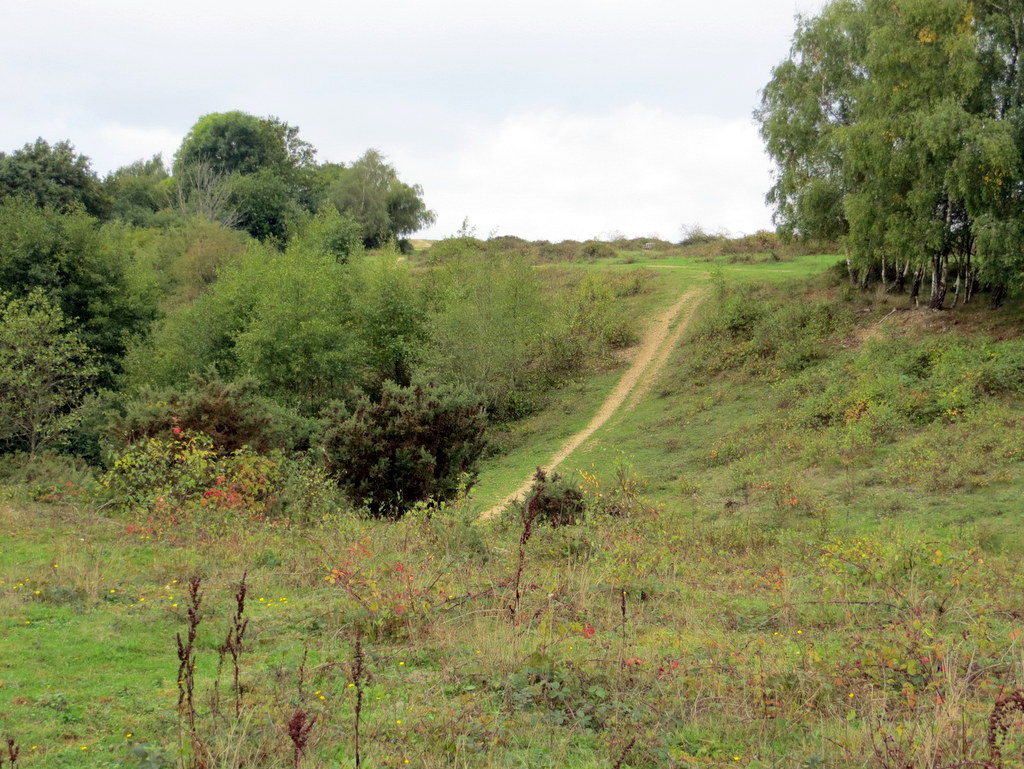
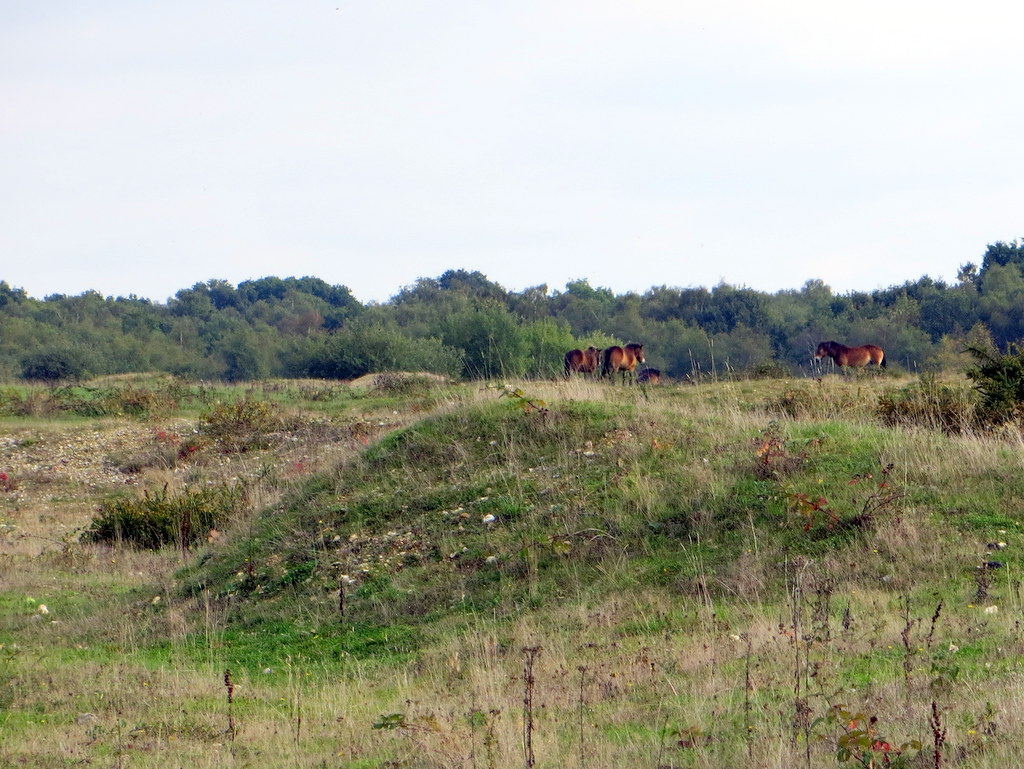
Subcompartment 8B supports damper neutral grassland, some of which is species-rich, some truly wet and characterised by rushes and sedges. There are small pockets of heather and an extensive area of lichen heath. The head of a modified valley, running roughly east-west and leading into Brushwood gully, bisects the area. There are pioneer communities and sedges and rushes present here, with some dogwood on the south facing slope. An area of largely bare gravel to the south of the valley is gradually re-vegetating, with some heather seedlings evident.
There is an element of scrub and some birch, secondary and mature oak woodland within the subcompartment.
| Objective | Area | Method | Comment |
|---|---|---|---|
| 8B.1) Clear scrub from valley. | Valley draining westwards towards settling pond. | Cut by hand, and remove. Retain a band of scrub c. 10 m wide as an interface with the alder wood at the valley bottom. | Do not treat stumps. |
| 8B.2) Retain woodland and scrub screen inside fenceline. | Eastern edge of subcompartment adjacent to Old Thornford Road. | Clear a narrow stretch (c 1.5 m) of vegetation just inside the fenceline for access where necessary, biennially. | |
8B.3) Maintain current extent of open grassland and heathland. Increase areas of grassland where possible.HLS objectives |
All of 8B. | Remove scrub from open plateau of open grass and heath. Scallop into surrounding scrub and small trees to expand these areas where possible and treat stumps. Leave bare gravel areas for colonisation by pioneer vegetation. Clear scrub from these areas, treat stumps. Scrape and scarify every 10 years. |
|
| 8B.4) Control ragwort if necessary. | Throughout subcompartment | Spot-spray rosettes with herbicide in spring as required. |
Subcompartment 8C (8.5 ha)
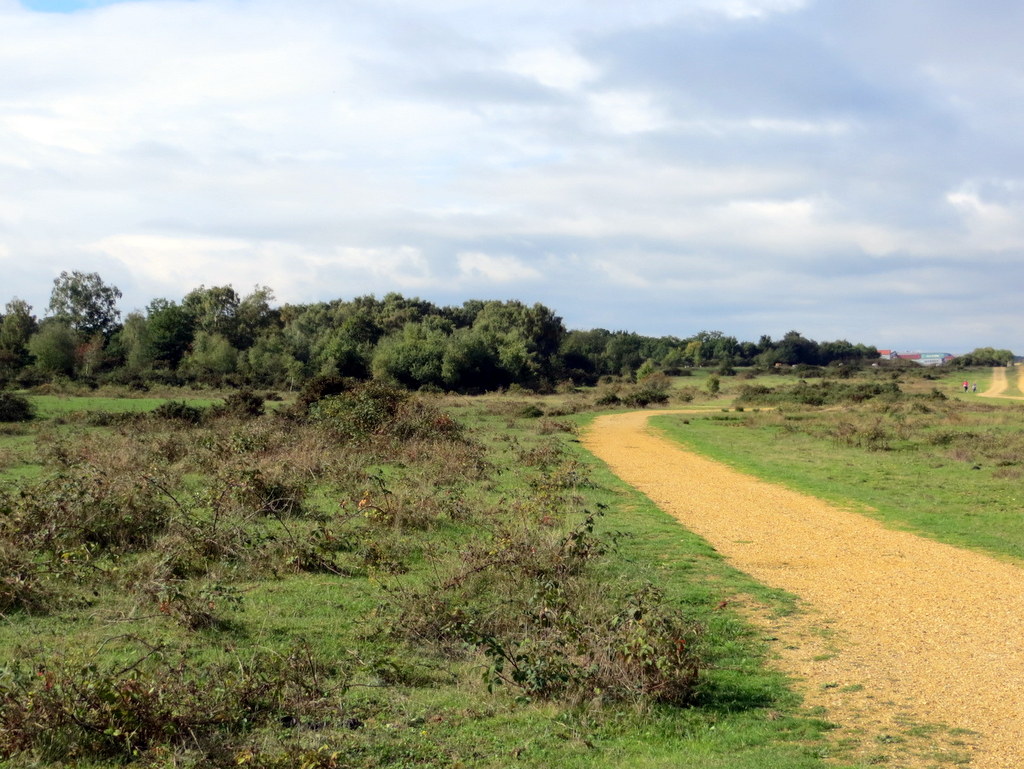
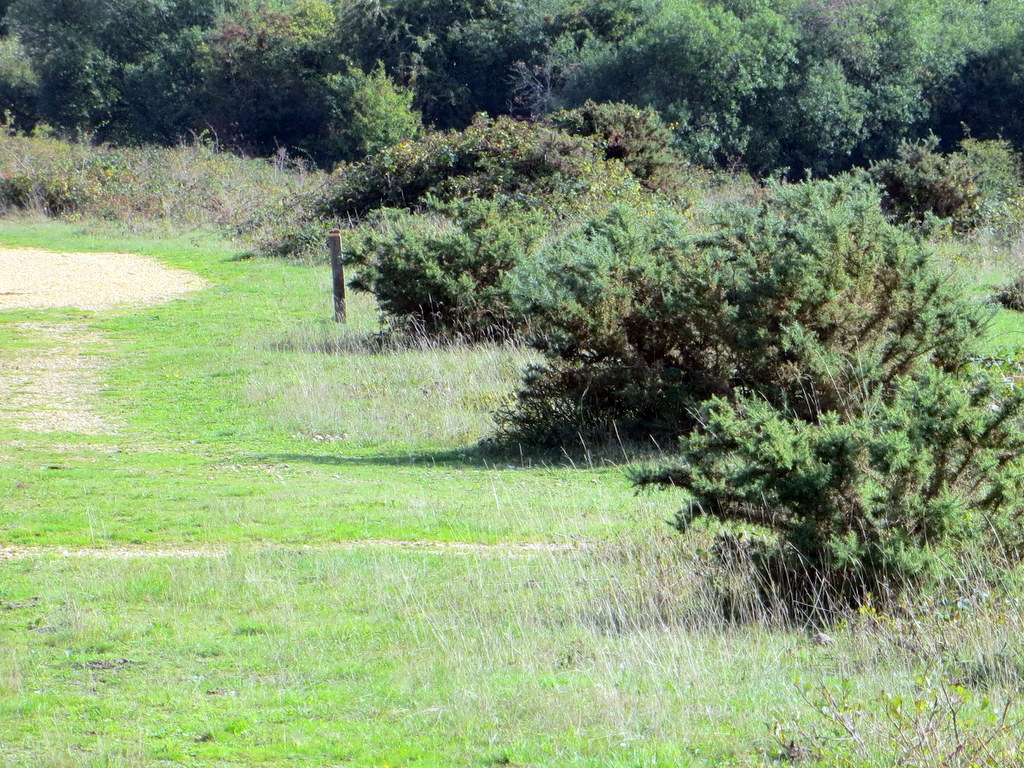
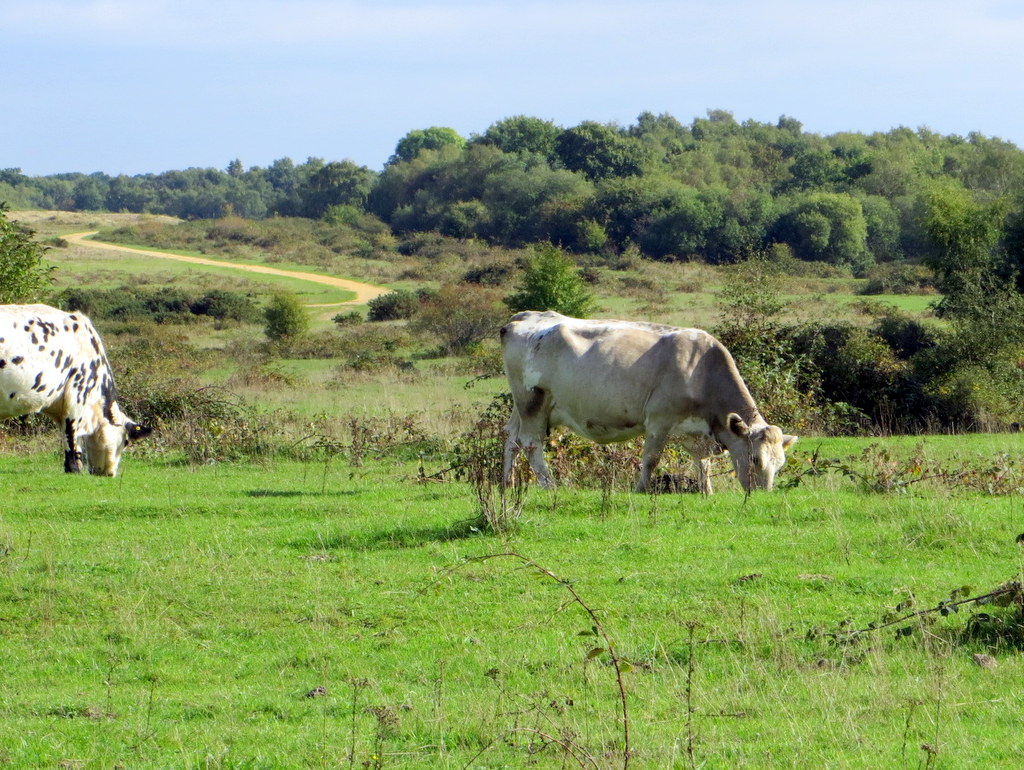
Subcompartment 8C is linear, running roughly east to west and adjacent to the old taxiway to the north. The open area is species-poor neutral grassland with many patches of bramble but (2013) comparatively few birch saplings or gorse stands. Where the plateau starts to shelve away to the south there is scrub and mixed secondary woodland, patches of heather persist in the shade.
| Objective | Area | Method | Comment |
|---|---|---|---|
8C.1) Control bramble and other scrub in open areas of neutral grassland, dry heath and wet flush.HLS objective |
Throughout subcompartment. | Clear bramble with a powered flail or by hand and remove. Clear 10% by area every five years from 2013. Treat gorse stumps. Monitor extent of buddleia at extreme western end and control if necessary. |